

Breaking barriers in the American Revolution
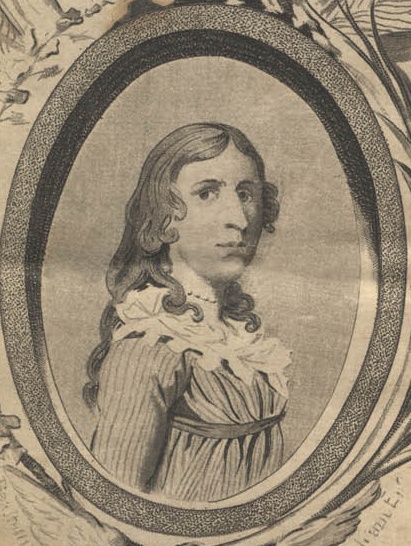
Deborah Sampson Gannett, Private, Continental Army
I was excited when the founder of Warrioress League 209, Sarom Teiv, asked me if I’d like to write a blog for our new website. I’d worked for 24 years as a newspaper journalist, and I was eager to get back into writing.
We kicked around a few ideas. Then I sat down at the keyboard and was pleasantly surprised by too many choices. I’d often felt isolated as a female veteran. Then I met the women at Warrioress League 209 and found friends with whom to share stories. Now, I can share stories with people with whom I’d like to be friends.
Since this is my first blog, I thought it appropriate to start with the first recorded U.S. military woman veteran: Deborah Sampson Gannett, who served during the American Revolution. Her exploits amazed me. I can’t believe a movie hasn’t been made about this extraordinary woman.
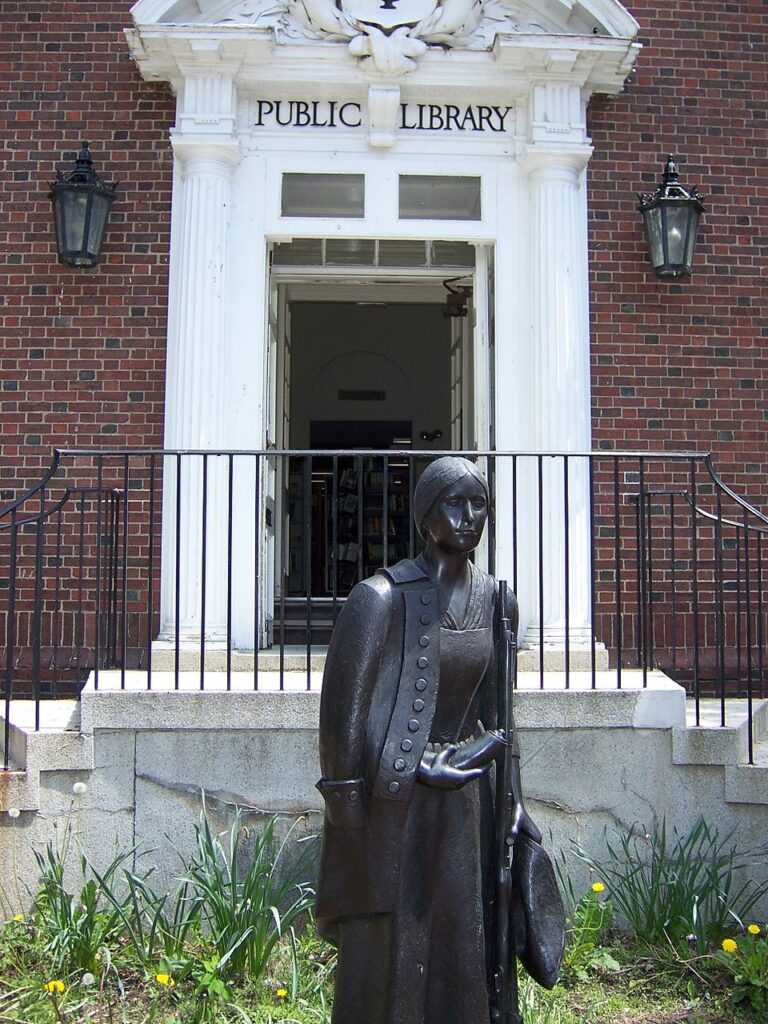
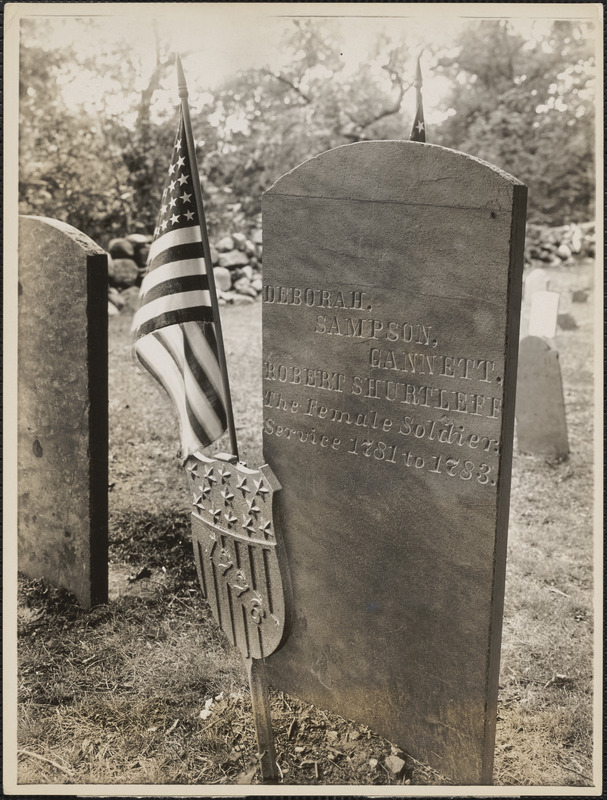
I Googled “How do I write a good blog?” and AI suggested I use bullet points, so here goes:
* Born on December 17, 1760. Her father abandoned his seven children and Gannett was sent to friends and relatives of her mother and eventually became an indentured servant in the Jeremiah Thomas family at the age of 10. Thomas disapproved of girls being educated, but his children secretly taught Gannett and she went on to teach summer sessions when she was 19 and 20.
* Enlisted in the Army in early 1782, disguised as a man, but was recognized as a woman and had to leave.
* Joined an elite unit in the Continental Army in May 1782, under the name Robert Shirtliff. The unit had 50 -60 men who were taller and had superior physical ability. Gannett was 5′ 7″ tall.
* During combat near Tarrytown, New York, Gannett was shot in the thigh and was gouged in the forehead with a sword. A doctor treated her head wound but Gannett fled before he could tend to her thigh, fearing her gender would be discovered. She removed the ball herself with a penknife and sewing needle. Some of ball went too deep to remove and the wound never fully healed.
* Honorably discharged at West Point, New York, on October 25, 1783. Her commanding officer, General John Paterson, knew she was a woman, but instead of giving her a reprimand, he gave her some words of advice and enough money to travel home.
* On April 7, 1785, she married Benjamin Gannett and settled into the role of a typical farmer’s wife. They had four children, one of whom was an orphan they adopted.
* In 1792, Gannett petitioned the Massachusetts State Legislature and was awarded $34 plus interest for pay the Army had withheld due to her being a woman.
* In 1802, Gannett, began a series of lectures about her wartime service. She would wear her uniform and perform military drills.
* Gannett’s friend, Paul Revere, wrote to U.S. Representative William Eustis of Massachusetts and, as a result, she was placed on the Massachusetts Invalid Pension Roll on March 11, 1805, at $4 per month. This was a first for a woman.
* The Deborah Sampson Act in December 2020 was signed into law to “eliminate barriers to care and services” faced by women veterans. The law created an Office of Women’s Health in the Office of Veterans’ Affairs.
“They didn’t make a law about women veterans’ health services until 2020?” Those were the exclamations of disbelief from my three Warrioress League 209 friends who proofread this blog.
It’s been 244 years since Gannett enlisted, and improvements for women in the U.S. military went very slowly for the first 150 years. However, I can’t help imagining a smile of pride on Gannett’s lips if she could see the military women of today: Forging into combat, commanding troops, piloting helicopters and providing humanitarian services around the globe. Some of them have even flown on space missions.
I think Gannett would be proud of how far we’ve come and can’t wait to see what milestones come next.

Leave a Reply